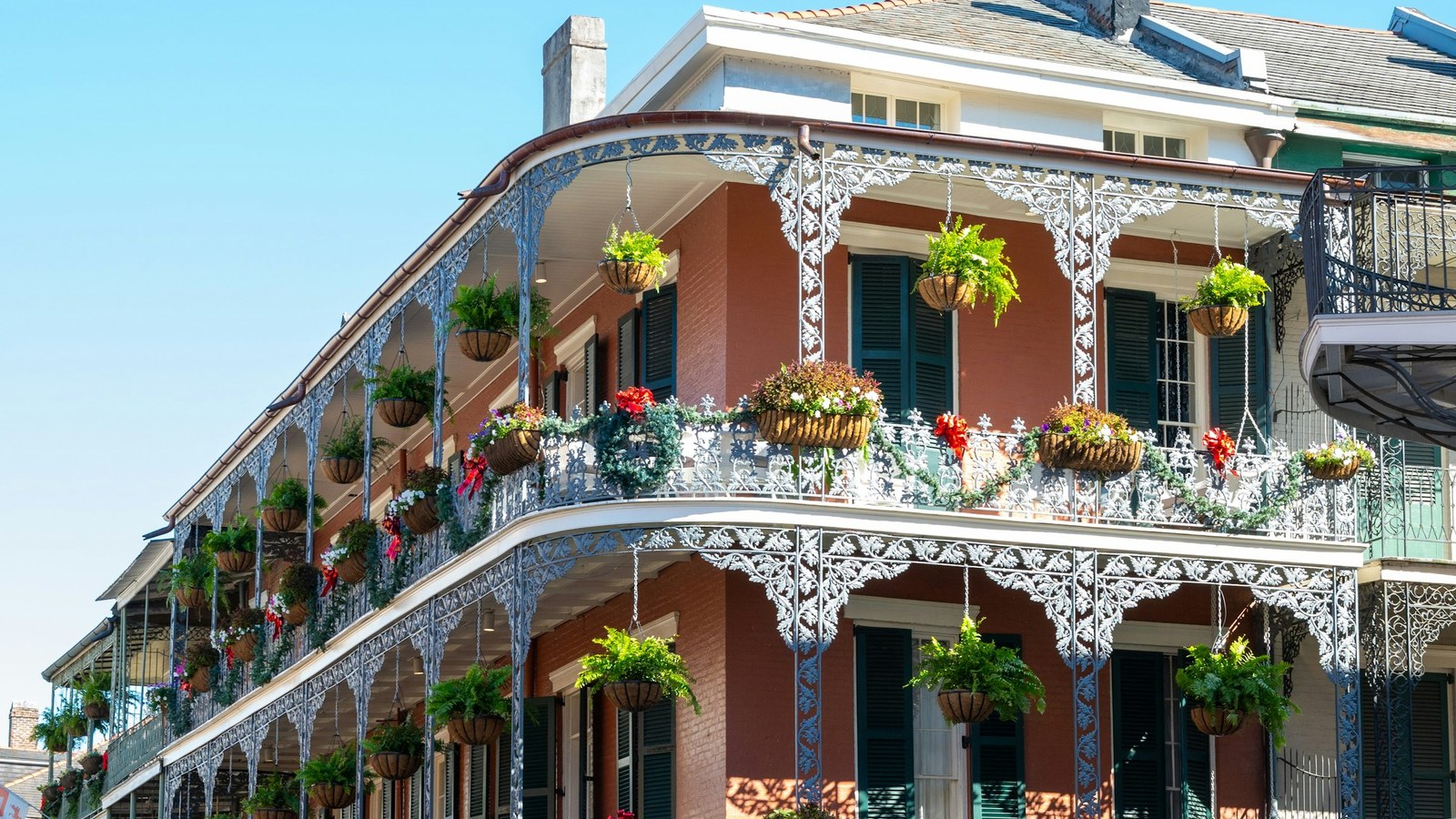
New Orleans is skilled at crescendo. Brass rises at the corner. A restaurant door opens onto conversation. Heat, scent and celebration collect in the same narrow street until the visitor begins to mistake stimulation for experience.
The quieter choice is not a rejection of the city. It is a way of staying present for it. A massage in the French Quarter can turn an afternoon from a gap between meals into the trip's center of gravity—one hour in which no one is asking where to go next.
Thrive NOLA Spa sits at 519 Wilkinson Street, Suite 105, between the Quarter's movement and the river. It is identified as a Black-owned business by Liberated Paths, United Way of Southeast Louisiana's African-American small-business initiative and current travel marketplaces. The spa offers massage, facials, waxing and couples experiences, with treatments generally lasting 60 to 120 minutes.
The most useful way to plan it is not to search for the “best spa in New Orleans.” Decide what your body needs, ask what the appointment actually includes and make the hours after it as gentle as the treatment itself.
Choose a treatment by purpose, not by trend
Thrive's service menu ranges from Swedish and deep-tissue massage to hot stone, warm bamboo, myofascial and lymphatic work. It also offers facials, body treatments, waxing and side-by-side couples massage. The options can look like a hierarchy in which the most elaborate package must be the most restorative. That is rarely the right assumption.
If the goal is simple decompression after a flight or a day of walking, begin with a 60- or 90-minute signature massage and describe preferred pressure. If there is a specific area of tension, ask which licensed therapist and modality are appropriate. A couple should confirm whether it wants the same room or separate rooms; the spa advertises both arrangements. For skincare, explain sensitivity, recent procedures and products already in use before choosing a facial or enhancement.
Do not let a travel article diagnose what a treatment can fix. Massage and facials are services, not substitutes for medical care. Disclose pregnancy, injuries, allergies or other relevant conditions directly to the spa and ask whether the provider is qualified to accommodate them. If a treatment name is unfamiliar, request a plain-language description of what happens, which products are used and whether there is downtime.
In a May 2026 article, Thrive said individual massage experiences begin at $120 and can reach $350 depending on length and service. Package prices vary more widely. Confirm the current total at checkout, including enhancements, taxes, service charges and gratuity expectations. A promotional banner is not a final bill.
Make the reservation before the restaurant list
The spa's official contact page currently lists daily hours from 10 a.m. to 6 p.m., while some third-party directories show longer weekend service. Use the official schedule as the baseline and call if the booking interface offers a later time. The website also highlights a 24-hour cancellation rule, including after a reservation has been rescheduled. Read the policy before paying.
For a weekend or festival trip, reserve as soon as travel dates are firm. Book a morning or early-afternoon service, then place the next timed commitment at least two hours later. That buffer absorbs check-in, a treatment running long, a shower, water and the soft disorientation of stepping back into a bright street.
Arrive early enough to find the entrance without turning relaxation into a sprint. The spa describes a tranquility room and a welcome beverage; ask whether those spaces are available before and after your specific service. If mobility, fragrance sensitivity, gender preference for the therapist or other access needs matter, confirm them by phone rather than hoping the booking form carries the information.
Protect the hour after the treatment
Wellness itineraries often undo themselves immediately. They schedule a 90-minute massage, then send the traveler racing across town for a reservation. The nervous system is asked to change gears before the body has even registered the slower pace.
Leave the hour after Thrive open. Sit somewhere shaded. Drink water. Return to the hotel. If you want to walk, choose a short route and pay attention to weather, energy and footwear rather than mileage. New Orleans rewards wandering, but summer heat and festival crowds can make even a few blocks feel longer than the map suggests.
Avoid treating alcohol as the automatic sequel to bodywork. If you plan to drink later, ask the therapist about aftercare and give yourself time. The point is not to make the day austere. It is to let one experience finish before another begins.
The Freedom Apothecary update: verify before you go
Freedom Apothecary belongs in a Black-owned New Orleans wellness guide, but not yet as a guaranteed walk-in stop. Founder Morrisa Jenkins built the business around clean beauty, women-founded products and a blend bar for custom wellness formulations. The concept began in Philadelphia and later opened on Magazine Street in New Orleans.
Its current official website now says “opening soon” at 1430 Terpsichore Street. Older directories still display 1900 Magazine Street and regular shop hours. Do not follow those listings without confirmation. Shop online if a product is available, join the business's update list or call the number on its current site before adding the new address to the afternoon.
That caveat is not a footnote to hide. Small businesses move, pause and revise their models. Directories become useful when they tell travelers what is changing, not only what was true on opening day. Liberated Paths should update Freedom Apothecary's destination record once the new location publishes an opening date and confirmed hours.
Let self-care remain connected to community
The language of wellness can become strangely solitary: escape, withdraw, disappear. Black wellness spaces often hold another possibility. Rest can be personal and still take place within an economy of care—one built by practitioners, shop owners and service workers who make room for people historically underserved or misunderstood by mainstream beauty and hospitality.
Supporting that work requires more than booking a Black-owned business because a list said to. Keep the appointment. Communicate needs without demeaning expertise. Ask before photographing treatment rooms or staff. Tip according to the spa's policy and the service received. Leave a review specific enough to help the next traveler choose well.
Then resist turning rest into proof of productivity. The afternoon does not need to end with a lesson, a haul or a dozen tagged locations. In New Orleans, where so much of tourism is organized around more—another song, drink, plate, parade—the liberated path may be the one that leaves something out.