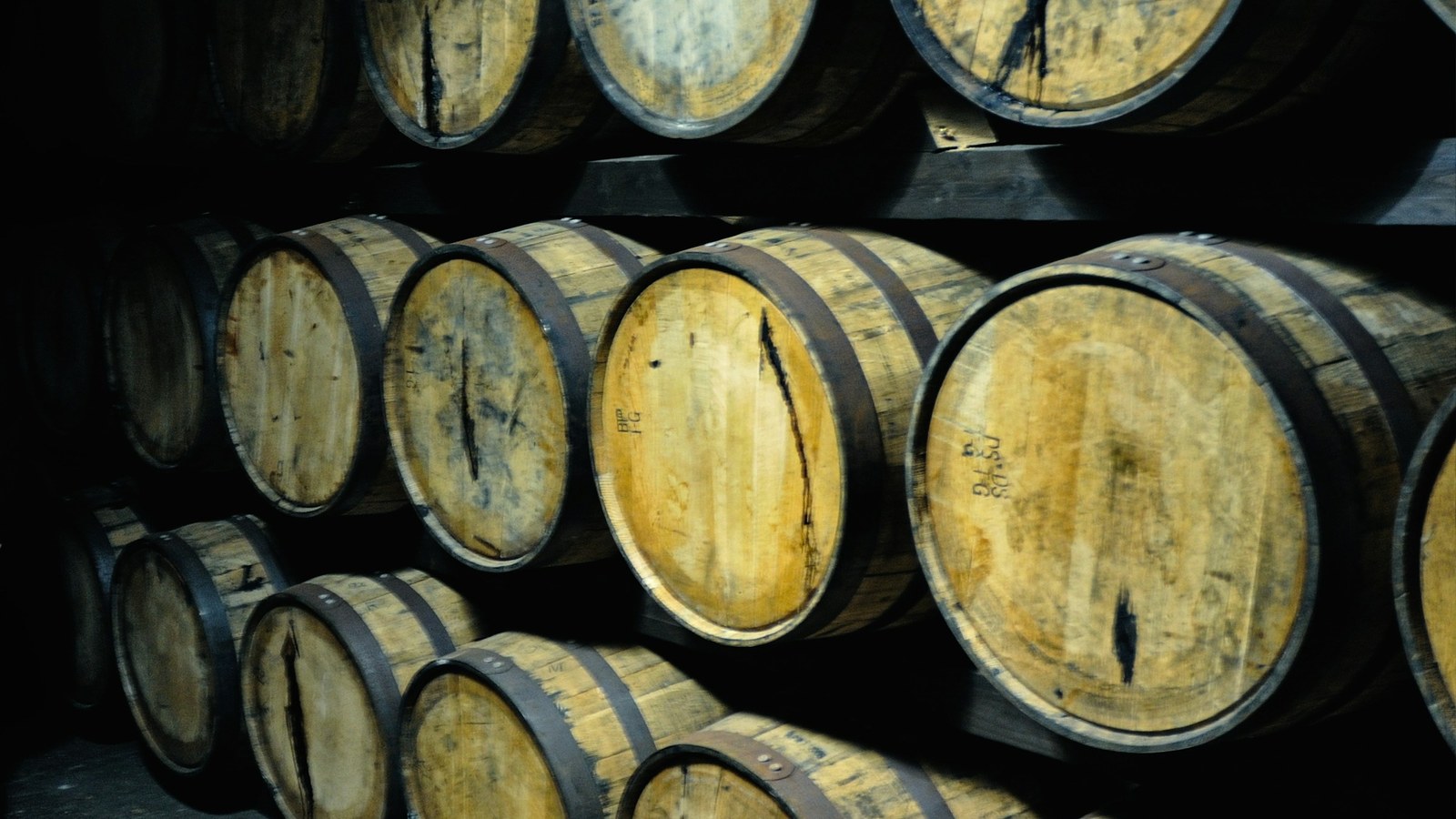
South of Nashville, the city's glass and traffic gradually give way to pasture, low ridges and two-lane roads. The shift is useful. By the time the entrance to Nearest Green Distillery appears in Shelbyville, the day has acquired distance from Broadway's neon version of Tennessee whiskey.
The property is large, polished and unmistakably built for visitors. Yet its most consequential feature is not a bar, bottle or rickhouse. It is a name: Nathan “Nearest” Green, the formerly enslaved distiller now recognized as the first known African American master distiller on record and the first master distiller for Jack Daniel's operation.
An Uncle Nearest distillery tour can be an enjoyable excursion from Nashville. It is also an encounter with the machinery of public memory—who receives credit, which stories enter the official record and what it takes to place a Black craftsman back inside the history he helped make.
Begin with the person, not the product
Nearest Green worked on the Lincoln County farm of preacher and distiller Dan Call in the mid-19th century. He became known for his command of charcoal filtering, a method central to Tennessee whiskey, and taught a young Jack Daniel the craft. After emancipation, Green and members of his family continued in the work. Jack Daniel's parent company now publicly recognizes Green as its first head stiller, the position known today as master distiller.
Some details of Green's life survive through census records, artifacts and generations of oral history; others remain incomplete. That incompleteness is part of the story. Enslaved people's expertise was routinely separated from authorship in business records, advertisements and popular mythology. The responsible claim is not that every question has been settled, but that substantial archival and family evidence changed what the whiskey industry was willing to acknowledge.
Entrepreneur and author Fawn Weaver traveled to Tennessee in 2016 to investigate the story. Her research grew into the Nearest Green Foundation, the Uncle Nearest whiskey company and this visitor destination. The brand identifies itself as Black-owned and operated under Weaver, its founder and chief executive. Victoria Eady Butler, Green's great-great-granddaughter, serves as master blender.
That distinction matters when reading the Liberated Paths directory: Nearest Green is the honoree and historical figure, not the owner of the present company. The current business belongs to a modern effort led by Weaver to honor his legacy and build a different kind of spirits enterprise around it.
Choose the tour by the experience you actually want
The official tour menu currently offers several public experiences, and the most expensive is not automatically the most useful.
The standard Nearest Green Distillery Tour and Tasting is the clearest first visit. It lasts about 90 minutes, costs $35 before the booking fee and covers more than half a mile of the grounds. The tasting flight includes Master Blend Edition, sold at the distillery. This is the right choice for travelers who want the site's broad story and enough structure to understand what they are seeing.
“A Taste of History” lasts about an hour and costs $55. It emphasizes exclusive expressions, barrel aging and a lesson in blending. Choose it when the sensory education matters more than covering the full grounds.
The 90-minute Single Barrel Thieving experience, listed at $75, includes samples drawn from two barrel expressions. “Label Your Own,” listed at $100, adds a personally labeled bottle. A tour and tasting with master blender Victoria Eady Butler is listed at $200 when available. These are narrower, higher-cost experiences for repeat visitors, collectors or serious whiskey students; check the live calendar because special tours may not run every day.
Prices published on the company's FAQ include a 14 percent booking fee. The same page lists a non-tasting standard-tour ticket, reduced children's pricing and free admission for children under 10, while tastings require guests to be 21 with accepted identification. Families should book the exact ticket type shown for their date rather than assume every premium experience admits minors.
Solve the ride before reserving the tasting
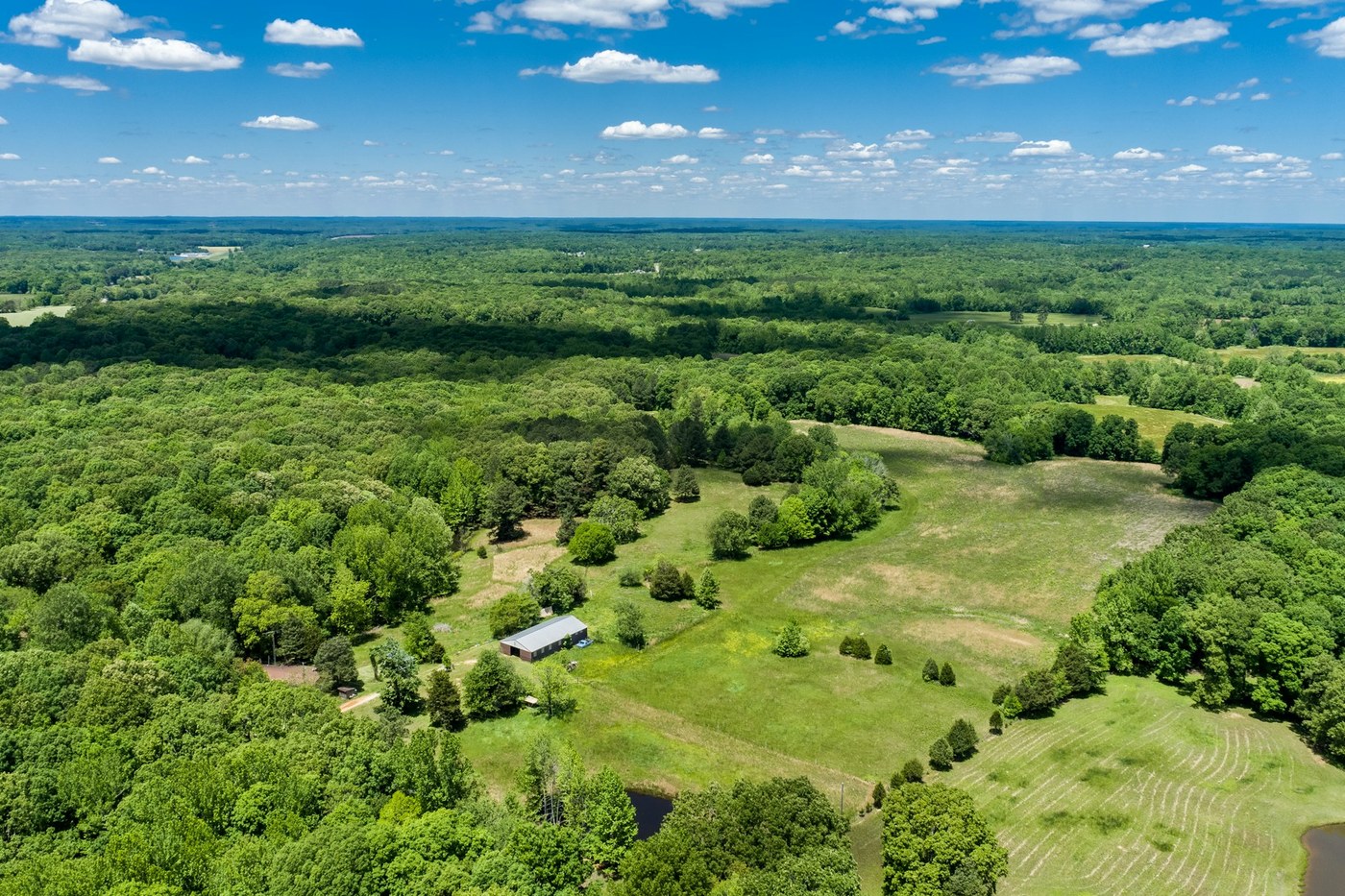
The distillery is at 3125 U.S. Highway 231 North in Shelbyville, roughly 52 miles and about an hour's drive from central Nashville in ordinary conditions. There is no public transportation to the property. Free parking is available, but a tasting day needs a driver.
The simplest choices are a designated driver or a round-trip tour operator booked in advance. Do not rely on finding a return rideshare in rural Middle Tennessee after the last tasting. The distillery's FAQ names several transportation companies, and at least one Nashville operator sells a dedicated Nearest Green excursion; compare whether the ticket includes admission, how much time is spent on site and the pickup point.
Leave room around the reservation. Nashville traffic, road work and weather can make the outward hour elastic, while the grounds require walking. Plan to arrive at least 20 minutes early, especially if the group must park, use the restroom or present multiple IDs. Supportive shoes are more important than distillery-themed clothes.
Treat the published hours as a prompt to confirm
As of August 13, 2026, two official Uncle Nearest pages disagree about closing times. The main distillery page lists 5 p.m. closing Thursday through Saturday and 4 p.m. Sunday; the FAQ lists 7 p.m. and 5 p.m., respectively. Use the live tour calendar as the operating source for your date and call if a meal or transportation booking depends on the later hours.
The company says Barrel House II serves Thursday through Sunday. Its FAQ also names Humble Baron as an on-site restaurant and entertainment space, but hours and event access can differ from the distillery schedule. Reserve the tour first, then verify which food venue is serving. A whiskey tasting should not become lunch by omission.
The standard tour is partly outdoors and covers more than half a mile. Bring sun protection or rain gear according to the forecast. The FAQ reports paved grounds, accessible parking and a limited number of loaner wheelchairs; travelers who need step-free routing, seating, sensory accommodations or a guaranteed mobility device should contact the distillery before purchase.
Personal photography is welcomed without flash on the tour, but professional shoots are not. The horses on the property are private animals, not a petting attraction. These are small rules, but respecting them keeps a heritage site from becoming a backdrop detached from the people doing the work.
Look beyond the tasting glass
The most compelling part of Nearest Green's story is not a tidy reversal in which one forgotten man is finally “discovered.” People in Lynchburg and the Green family carried the history long before a national audience paid attention. The present achievement is that research, capital, family testimony and corporate acknowledgment have given the story durable public form.
That form extends beyond tourism. In 2020, the Nearest Green Foundation and Jack Daniel Distillery announced a combined $5 million Nearest & Jack Advancement Initiative. Its work includes a distilling school at Motlow State Community College, a leadership acceleration program and a business incubator intended to expand opportunity for people of color in the spirits industry.
The initiative turns remembrance toward the future. A visitor can recognize Green's mastery and still ask who gets trained, financed, distributed and promoted now. In an industry built on inherited formulas and carefully tended barrels, legacy should mean more than a portrait on a wall.
Take the tour slowly enough to hear that argument. Taste comparatively, not competitively. If you buy a bottle, understand what the label is asking you to remember. Then leave Shelbyville with the useful discomfort of a story made larger: Tennessee whiskey was never the achievement of one famous white man alone.